When you think about the term anime, you may recall the classic Shounens: “Dragon Ball,” “Naruto,” “One Piece.” Perhaps you think further into different genres like Shoujo, or even Seinen. However, there’s a world that goes so much deeper than the animation: Seiyuus.
Soma Saito is a Japanese seiyuu, or voice actor, and a voice you’ve probably heard before. Yamaguchi Tadashi from “Haikyu!!,” Kenshin Himura from “Rurouni Kenshin,” Chongyun from “Genshin Impact,” Chigiri Hyouma from “Blue Lock,” and Doppio from “Jojo’s Bizarre Adventure” are just a few of many roles he’s played. As his popularity has grown over the past few years, he’s begun releasing music to complement his acting career, with his extended play (EP) “Nuance” being the most recent addition to his collection of albums, singles, and EPs. He is still relatively niche in the music industry, but for people who are active in the seiyuu community, he has a sizable following.
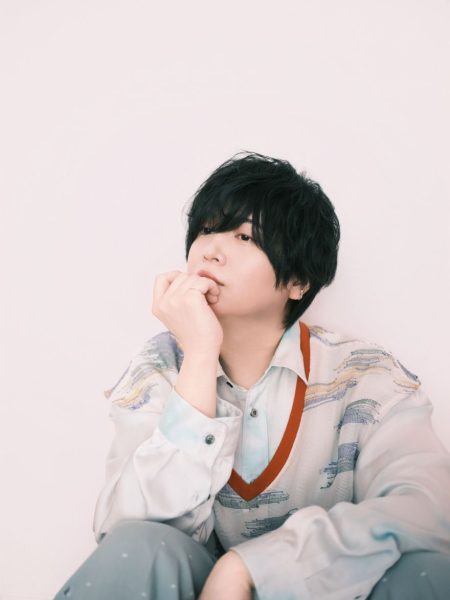
Saito tends to jump from place to place with his genres. However, rock is the most prevalent in his music. He is the composer and lyricist for all of his songs, save for the tie-in song (a song to promote a product) he sang the opening theme song “Hikari Tatsu Ame” for “Katsugeki Touken Ranbu.” In “Nuance,” however, he tends to again jump to different genres and styles, while keeping the classic guitar in all of his songs.
I enjoy his tendency to stick to rock. I’ve always been a fan of this genre, and when I first discovered him in 2022, I was already into J-Rock (Japanese Rock). I also appreciate how much attention to detail he invests in his songs. Some songs of his, like C in his single “Date,” are created in layers. At first listen, it may appear to be a comforting song, but as you look further into the lyrics, it is revealed to be a manipulative tale. Additionally, I believe one of his strong suits is his ability to convey a variety of emotions throughout his songs and across language barriers.
“Nuance,” as the title suggests, brings a lot of changes from his usual style. Tracks such as “Mayohiga (マヨヒガ)” and “rain shoes” stray quite far from his usual sound.
Track 01: “lol”
As the first track of the EP, “lol” brings a very lively, almost upbeat vibe. “lol” reminds me of older alternative songs, for example “Dear Maria, Count Me In” by All Time Low. As the title suggests, there are many references to laughing in this song with the repetition of the word “笑う (laughing) throughout and an appearance of the English phrase “laughing out loud” near the end of the song. It’s a very cheerful song, and it’s a perfect fit for the start of an EP. This track still succeeds in giving off the nuance aspect of the EP with its range of differing sounds present, such as bubbles popping. Additionally, the vibe and tone of this song contrasts well with the rest of the EP. Saito interestingly uses a higher tone in this song, adding to the EP’s variety. Overall, it’s a great song and, while I don’t listen to it on the regular, it’s a go-back-to every once in a while. 5/5!
Track 02: “afterschool”
“afterschool” is the only track on Nuance with a music video, and is also one of two songs along with “Mayohiga (マヨヒガ)” to be released earlier than the full EP. Compared to “lol”, “afterschool” has a
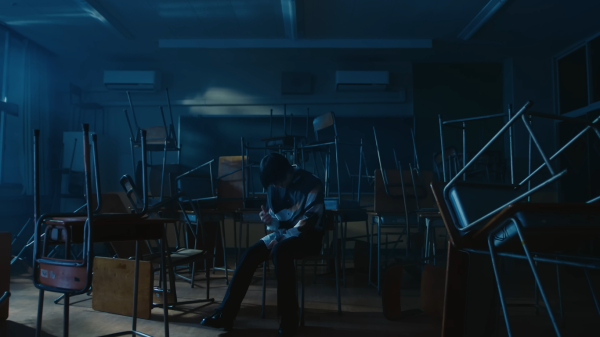
much more nostalgic feel to it, which is interesting because “lol” is the start of the EP; usually, people tend to think that the first song is what “sets the stage” for the rest of the EP/album music-wise. Additionally, “afterschool” also uses the heavy repetition similar to “lol,” except this time it’s the repetition of the word “hikari (光)” or “light.” I really enjoy the usage of imagery in this song, which adds to the nostalgic atmosphere and makes me think about my past years in school as well. I believe it’s a song that is meant to evoke emotion in its listeners, especially with the way Saito sings almost in desperation. The music video for this song is superb as well: The visuals of him and a high school student being in an art room and having fun radiates nostalgia of having fun with your friends after school hours. Overall, it’s an amazing song, and a great addition to the EP itself. 5/5!
Track 03: “Mayohiga (マヨヒガ)”
“Mayohiga” is the third track on Nuance, and is also Saito’s heaviest song yet. He lays heavily on the guitar, along with harsh drums in the background. The arranger for this song, Saku, who has also been involved in the arrangement for most of Saito’s songs, states that this is his “goriest song yet.” It provides an entirely different feel than the previous songs on Nuance and is a stark contrast to the rest of the songs on this EP. Saito uses English frequently in this song, specifically with the lyric before the chorus “Such a beautiful and messy confusion / But I don’t know how I can feel.” It provides an almost eerie tone to this song, but this fits with the overall theme that Saito is going for throughout this EP. This song is very gory, literally and figuratively. The very first lyric talks about giving away his body as a sacrifice (which is interesting, to say the least), but does help paint this gory picture throughout the song. No matter how strange the lyrics may be, Saito always finds a way to make them mean something. Overall, this song is very different from the rest of the tracks on Nuance, but I think it fits and as always, is an amazing song. 5/5!
Track 04: “Rakujitsu/Sunset (落日)”
“Rakujitsu,” or “Sunset,” is the fourth track on Nuance. Compared to “Mayohiga,” the previous song, it’s very calming. It’s surprising to the listener to go from such a heavy song to a much smoother, softer feeling song like “Sunset.” Throughout the song, there are consistent repeats of the lyrics “its okay to be fake (にせものでいい)”, which I thought is an interesting, layered message. “Sunset” also drops the guitar, and instead replaces it with a synth and a calmer drum beat. It reminds me of another track on his album In Bloom, called “carpool.” It’s very mellow, accompanied by Saito’s higher tones. It’s not my favorite song on the EP, but I do think it’s a good turn in direction within the EP. Since it is the 4th track, it brings the EP to a calmer feel while carrying the listener closer to the end. Overall, it’s an interesting song with complexity, and I believe it was done very well. 4/5!
Track 05: “rain shoes”
As the final track on the EP, “rain shoes” is the most somber of them all. Saito creates an ambiance throughout the song, with the xylophone representing rain drops, and the harmonizing in the background. Additionally, Saito takes a turn in this song, and starts to use personal pronouns within the lyrics “boku 僕”. In “Nuance,” as well as many of his other albums/EPs, Saito tends to stray away from using personal pronouns, as, in music, he prefers to tell a story over personal anecdotes. This track also brings a similar feel to his songs “Isana” from his album “In Bloom,” and “Uzumibi” from his EP “my beautiful valentine,” which is intriguing because these songs also have particularly depressing lyrics. Overall, this song was a great addition to the EP and also a great way to end it. It was done smoothly and is definitely one of my favorite tracks on it. 5/5!
This EP was amazing, as I find all his music to be. I loved the different tones the artist used throughout, and especially how musically-speaking, the songs seemed to have a beginning, middle, and end—just like a story. The title of “Nuance” fits these songs perfectly, and it’s a great listen for anyone who’s interested in rock or Japanese music. Even if you don’t, it’s a fresh way to get into the genre and try out some new sounds.