As the second semester started, AP environmental science had begun to hatch chicks within the classroom. Now in the fifth cycle, the little chicks have grown to be chickens, and are the bases for CVHS’s new farm. Initially, started to introduce egg omelets to the lunch menu. It has greatly helped the school begin its transition from school to farm.
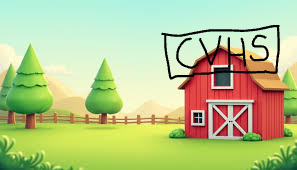
Why a farm? You may ask, well the benefits of turning the campus into a farm are hard to ignore. Benefits such as land appreciation, tax incentives, peaceful living, self-sufficiency, education, etc. all which are prevalent in a farmer’s daily routine.
With schools across the district, often being a web of issues. Such as, lack of funding, administration conflicts, district disappointment, a farm provides a plethora of solutions to these issues from different perspectives.
Firstly, the financial and investment perks. Farmland is extremely stable, and is an asset that serves as a hedge against inflation. Though utilizing sing operational strategies to manage rising costs, such as increasing prices, using financial derivatives to lock in commodity prices, CVHS can now improve its problem regarding lack of funding. Using the money made from farming to invest in other resources students or teachers may need. We can now even spend money on more important things, like room decorations, or finally having paper towels in the restroom.
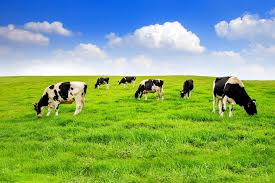
Secondly, self-sufficiency and food quality. With the addition of farm animals, it is expected that CVHS’s will also introduce fresh produce. The farm will provide access to fresh, organic produce and livestock. Helping the school reduce its dependency on government distributed meals. Introducing harder to access produce into student lives, increasing nutritional values in meals, overall providing a healthier lifestyle to the daily lives of staff and students. Be on the lookout for a newly updated menu of prime rib, or Alfredo chicken.
Thirdly, health and wellness. As farming requires regular physical activity, it keeps participants active. Farming is a full-body physical activity equivalent to, or exceeding daily strenuous exercise. Including, but not limited to, lifting heavy loads from fifty to a hundred plus pounds, walking, bending, squatting and constantly carrying tools from place to place. It also demands consistent manual labor like shoveling, operating machinery, and hauling. The physical demands of farming are great for exercise, and administrators have even considered swapping physical education classes with farming periods. Believing that pulling horses could be more beneficial than the baseball unit.
Fourthly, lifestyle. Farms provide a sense of escape in the busy world, with repetitive daily tasks adding routine to one’s life. It also teaches core pillars. Through daily-labor intensive routines and patience in overcoming uncontrollable challenges like pests or weather. The daily, often difficult tasks required to tend to animals and crops, teaches long term responsibility, patience, and compassion. Farmers often face setbacks or failures, but this teaches perseverance. Forcing farmers to not give up in the face of failure. This trait is not just needed, but central to the constantly busy and tiring world of a Carnegie student.
Fifthly, environmental awareness. Through daily interaction with ecosystems, soil health, and natural cycles, farmers build a sense of environment. Building habits that must be beneficial to the farm, while considering the long term environmental impacts of their choices. Farmers must learn to protect soil structure through techniques like reducing tillage, using cover crops, and practicing crop rotation to maintain soil and healthy nutrients. They must be aware of surrounding habitats and local wildlife, helping preserve land, oftentimes through creating wild areas and simply being aware of the effects of their farming practices. Installing this awareness in students could be extremely beneficial to the school itself, solving the “leaving trash behind” issue, and raising young people who are aware of their impact on the environment.
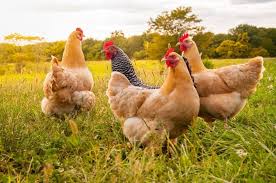
Lastly, mental benefits. Farming overall improves mental health by providing companionship, routine, and a sense of purpose that reduces stress, anxiety and depression. However, let’s look at it specifically at an animal focus. Regular, gentle contact with farm animals, such as brushing cows or feeding chickens, acts as a grounding technique that relaxes the mind and provides a safe non-judgmental environment. Caring for animals also provides purpose and routine, creating a daily structure that is especially beneficial for managing depression, anxiety, and fosters a sense of accomplishment. Successfully caring for another living being boosts self-worth and confidence, proving one’s ability to nurture and manage responsibility. With school life being a constant tornado of work, failure, deadlines, and self-doubt, wouldn’t it be reassuring to know that if you can raise a living being, you can finish your WHAP notes.
Additionally, students are encouraged to bring in their own animals from home. Admin hopes to see dogs, cats, horses, cows, chickens, lizards, rats, snakes, etc. are at an all time high.
With all of the benefits of farming, CVHS is excited to adopt the new system. It is important to note, however, that benefits may not be immediate. Only coming if students and staff make an effort to immerse themselves in farm life, but with mounting evidence the pros outweigh the cons in this situation. Besides, this will teach students and staff the importance of patience.